2026-09-23 · Grant Aldridge
Why Texas Hard Water Wears Out Water Heaters Faster
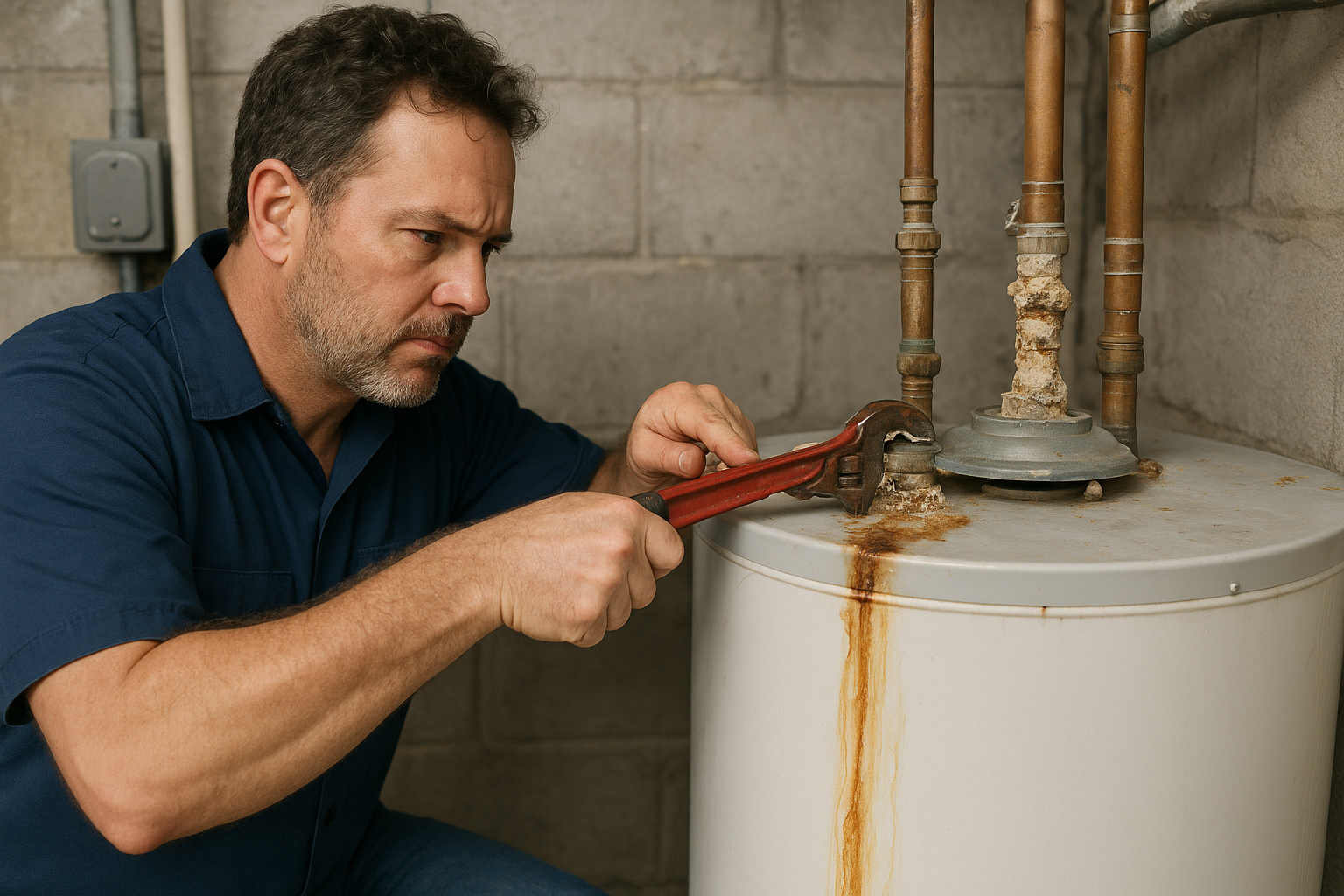
Hard water in Houston and surrounding Harris County deposits calcium and magnesium scale that shortens typical water heater lifespan by several years compared to softer-water regions. The minerals precipitate out during heating cycles, forming insulating layers on tank walls and heating elements that force units to work harder and corrode faster.
Mineral Scale Formation in Local Water Supplies
Houston's municipal supply carries moderate to high hardness levels that become concentrated when water reaches 120°F or higher inside tanks. In neighborhoods such as the Heights and River Oaks, many homes built before 1980 still rely on original galvanized piping that releases additional iron, compounding the scale problem. Over time this crust reduces heat transfer, raises energy use, and creates hot spots that crack glass linings. Homeowners in Midtown and Downtown often notice the first signs after five to seven years rather than the eight-to-twelve-year range common elsewhere. The subtropical climate keeps water temperatures elevated year-round, so scale accumulates steadily instead of pausing during cold months.
Effects on Tank and Tankless Units Serving Katy and Sugar Land
Traditional 40- and 50-gallon tanks suffer sediment mounds at the bottom that trap heat and promote rust, while tankless models in Pearland and Katy experience flow-restricting buildup on heat exchangers. Both types lose capacity faster when incoming water exceeds 10 grains of hardness. Older housing stock in Montrose frequently pairs these heaters with undersized expansion tanks, increasing pressure stress once scale narrows pipes. Regular flushing removes loose sediment but cannot reverse hardened deposits already bonded to metal surfaces.
Climate and Usage Patterns in Harris County
Hot, humid summers drive higher hot-water demand for showers and laundry, pushing heaters through more heating cycles and depositing fresh mineral layers each time. Mild winters eliminate freeze-related failures yet allow continuous low-level operation that keeps scale growing. Homes near the Houston Zoo or Museum of Fine Arts district often share older infrastructure where water sits longer in mains, letting additional minerals settle before reaching the heater. These patterns explain why units in the same neighborhood can fail at different ages depending on daily gallon usage.
Recognizing When Scale Has Taken Hold
Rising energy bills, lukewarm water at fixtures, and popping or cracking sounds during cycles all point to scale interference. In River Oaks and the Heights, residents also report discolored water or reduced pressure once internal passages narrow. Checking the anode rod every two to three years reveals accelerated corrosion tied directly to hard-water chemistry rather than age alone.
For deeper detail on repair timelines, see How Much Does Water Heater Repair Cost in Texas?. Homeowners noticing early symptoms can review Signs Your Texas Water Heater Needs Repair or Replacement before scheduling service through our water heater repair page.